
Faroe Islands Travel Guide: Hikes, Hotels and Best Things to Do
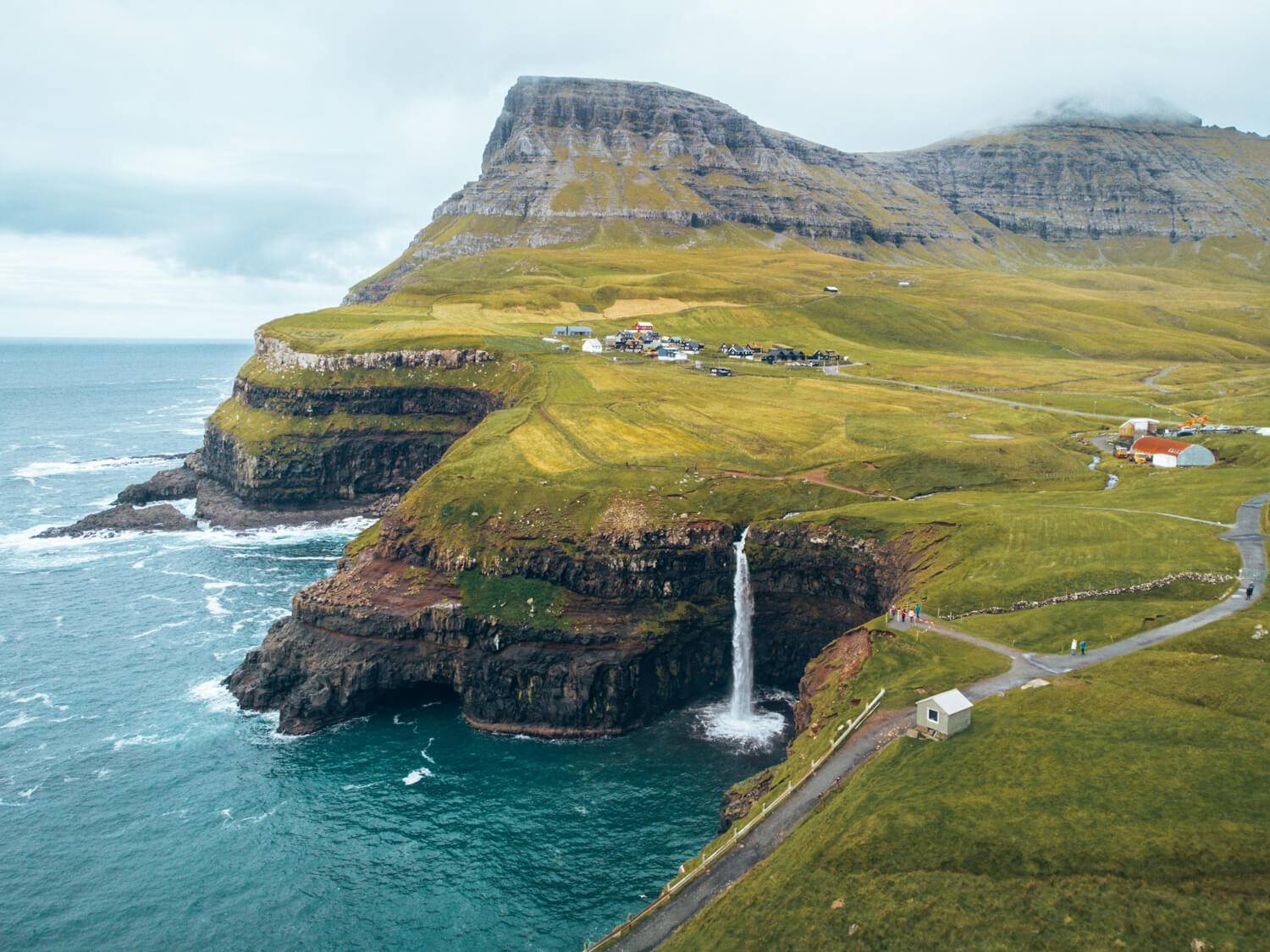
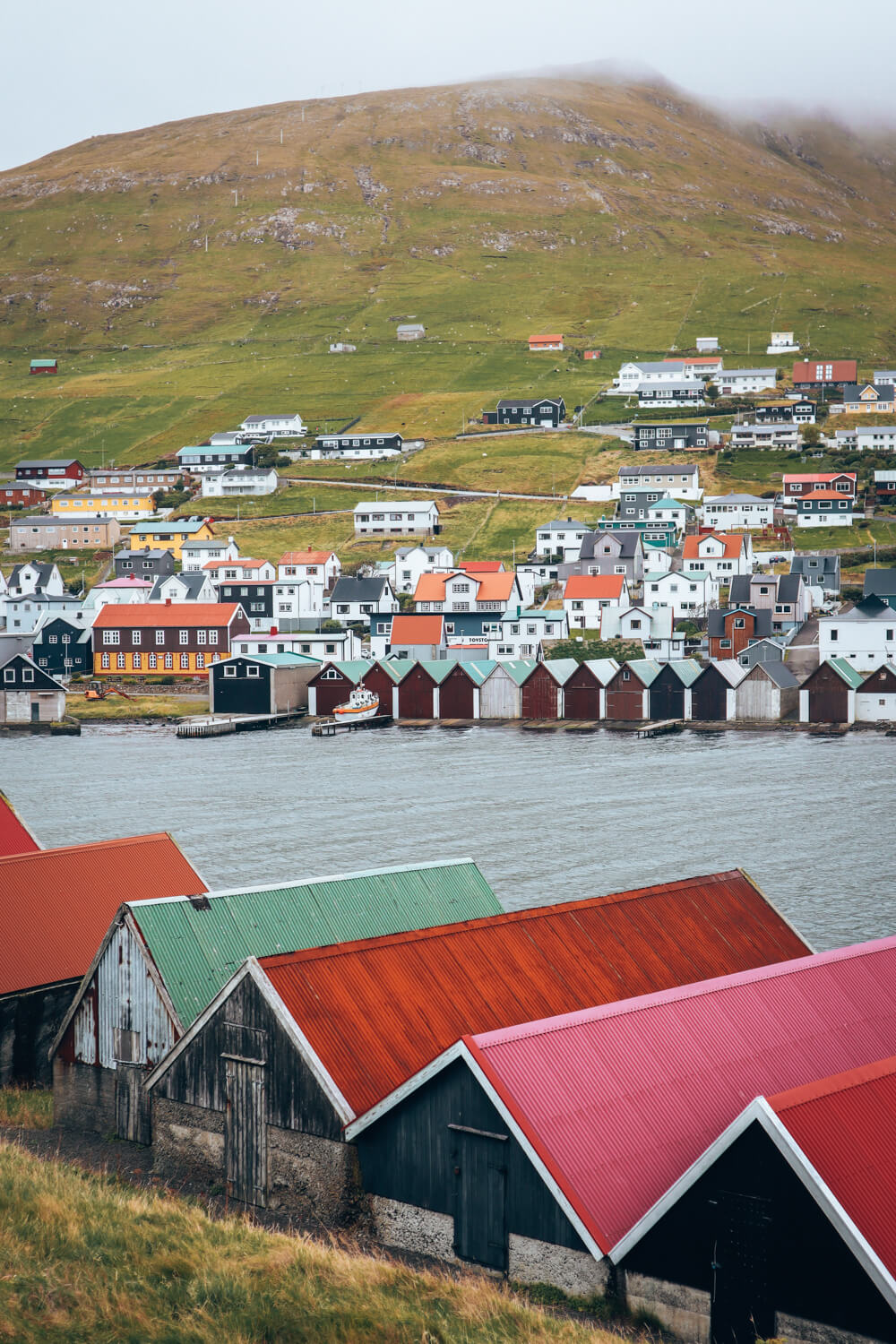
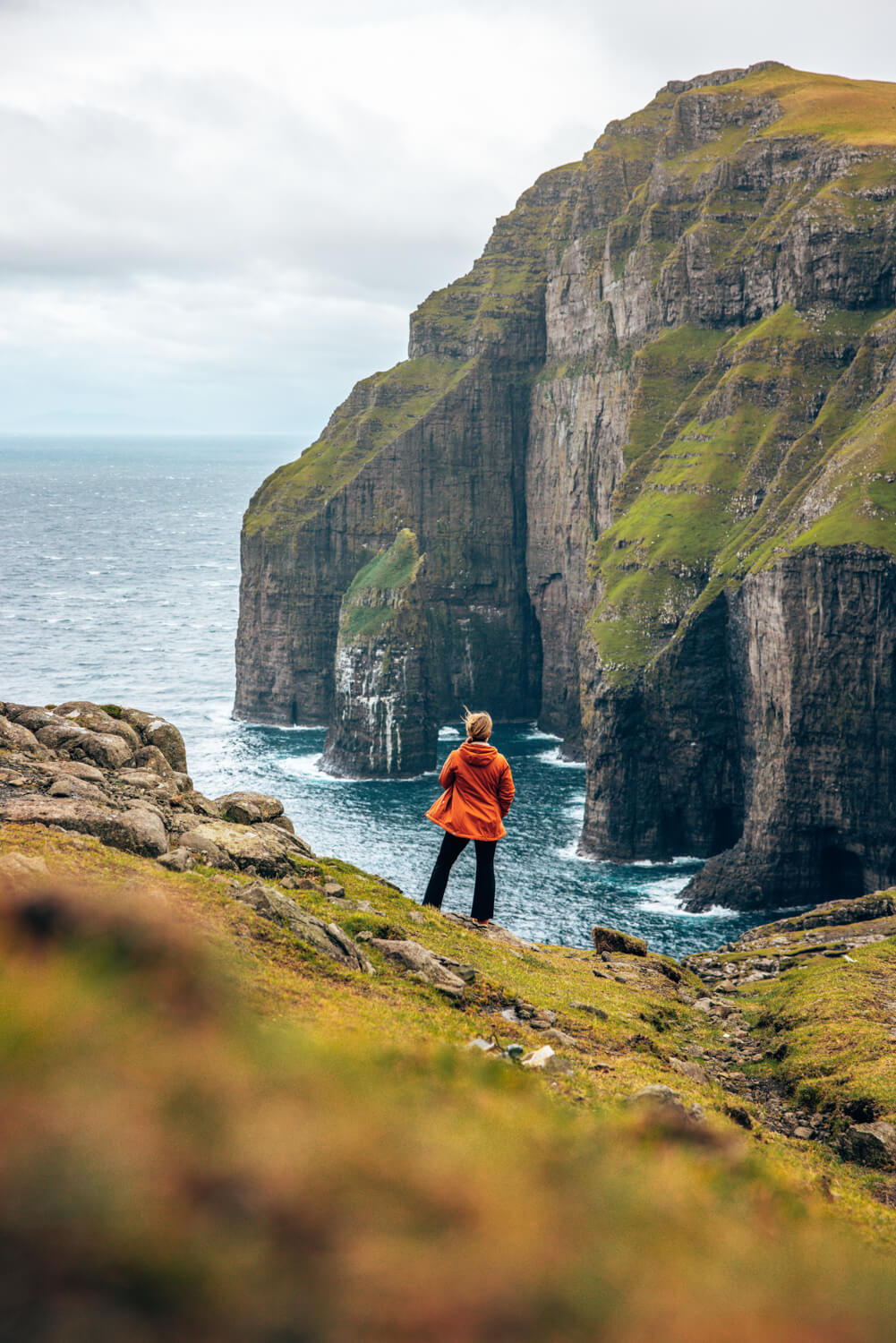
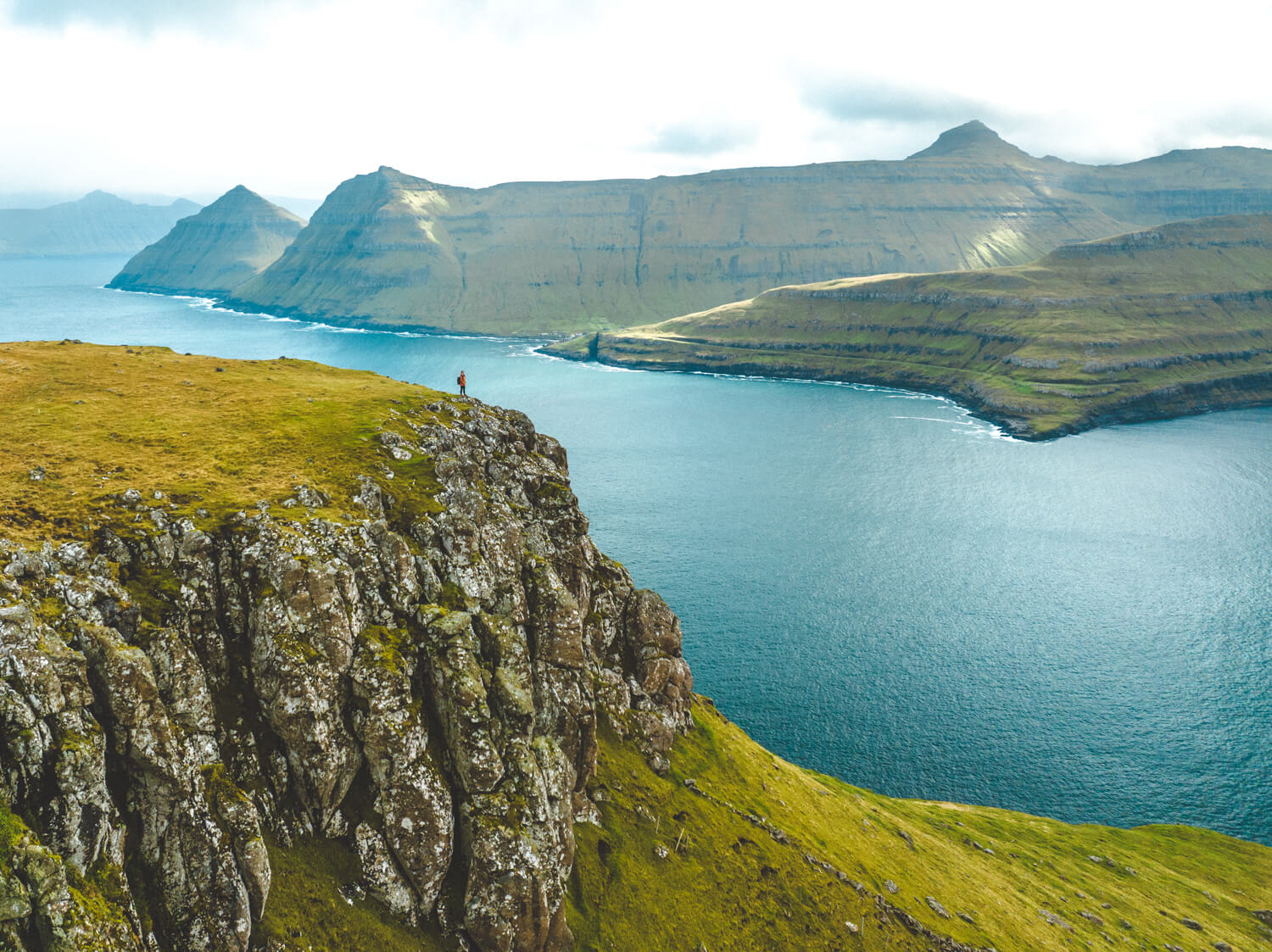
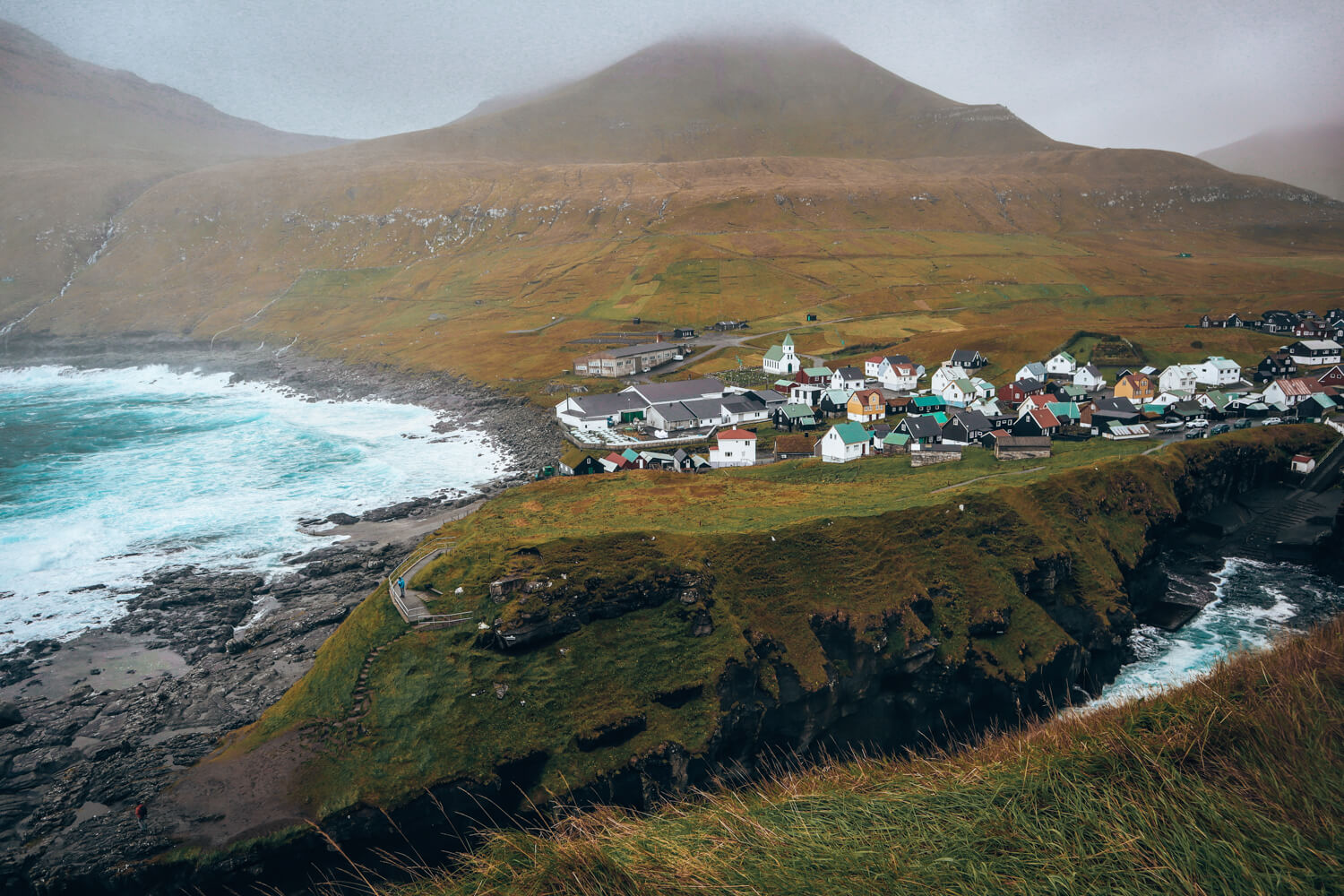
My Faroe Islands Travel Guide! Above the north of Scotland, somewhere between Iceland and Denmark, lies a group of islands that looks like a Jurassic Park film set accidentally became a country. Rugged landscapes, countless waterfalls, fairy-tale villages with grass-covered rooftops and roads winding over endlessly rolling mountains. The Faroe Islands consist of 18 islands of volcanic origin, sitting between Iceland, Britain and Denmark. Officially part of the Kingdom of Denmark, but in practice a world entirely of their own.
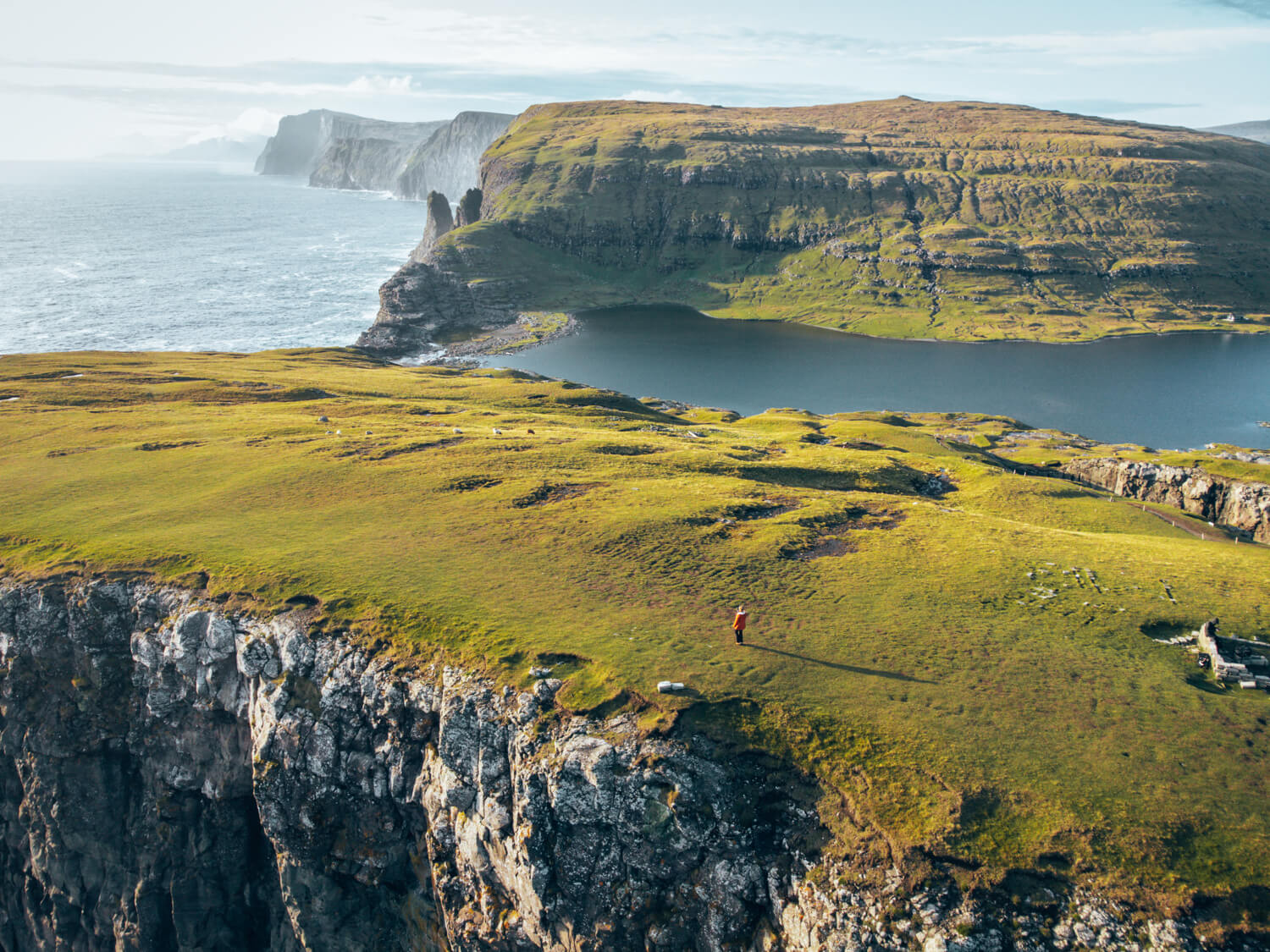
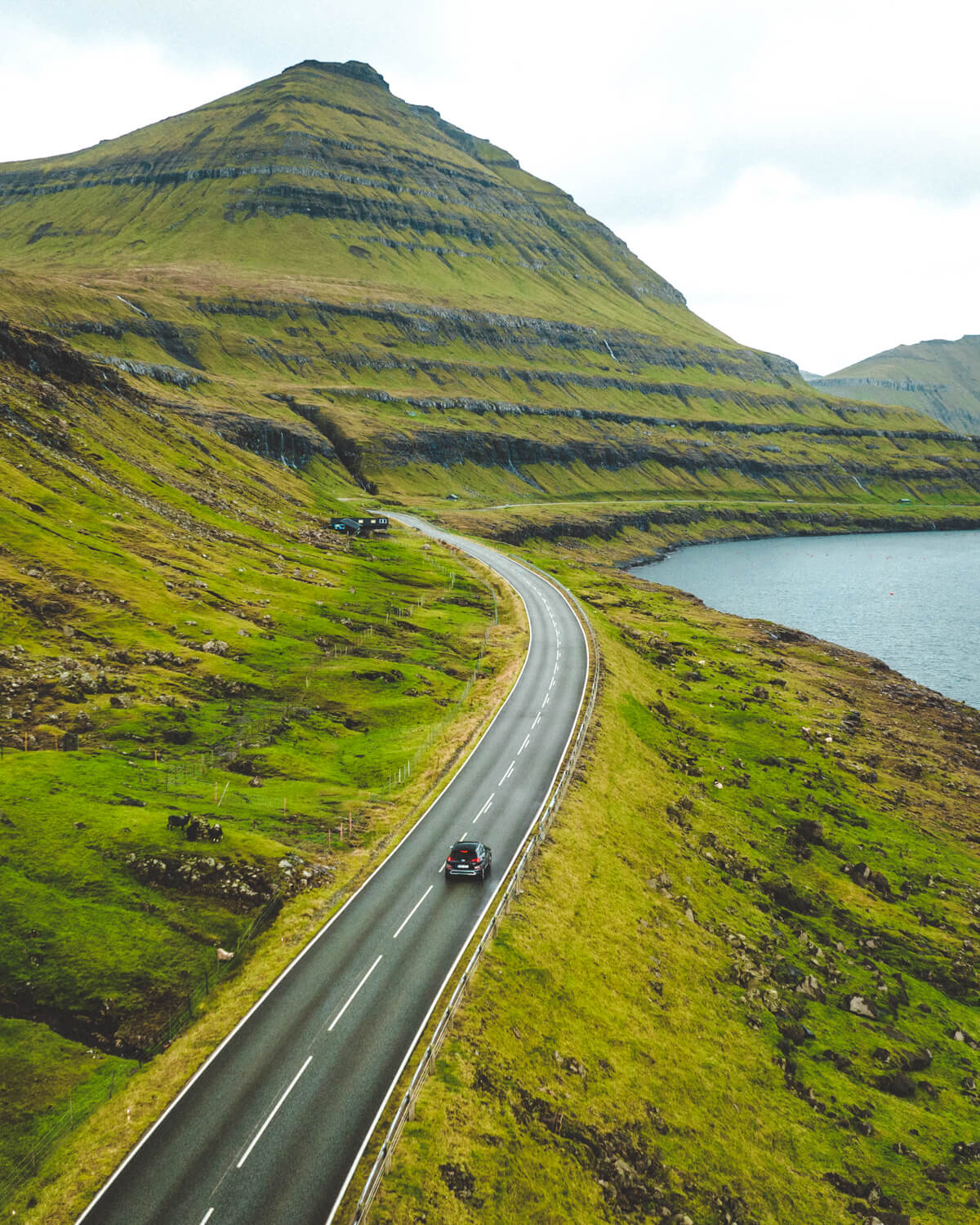
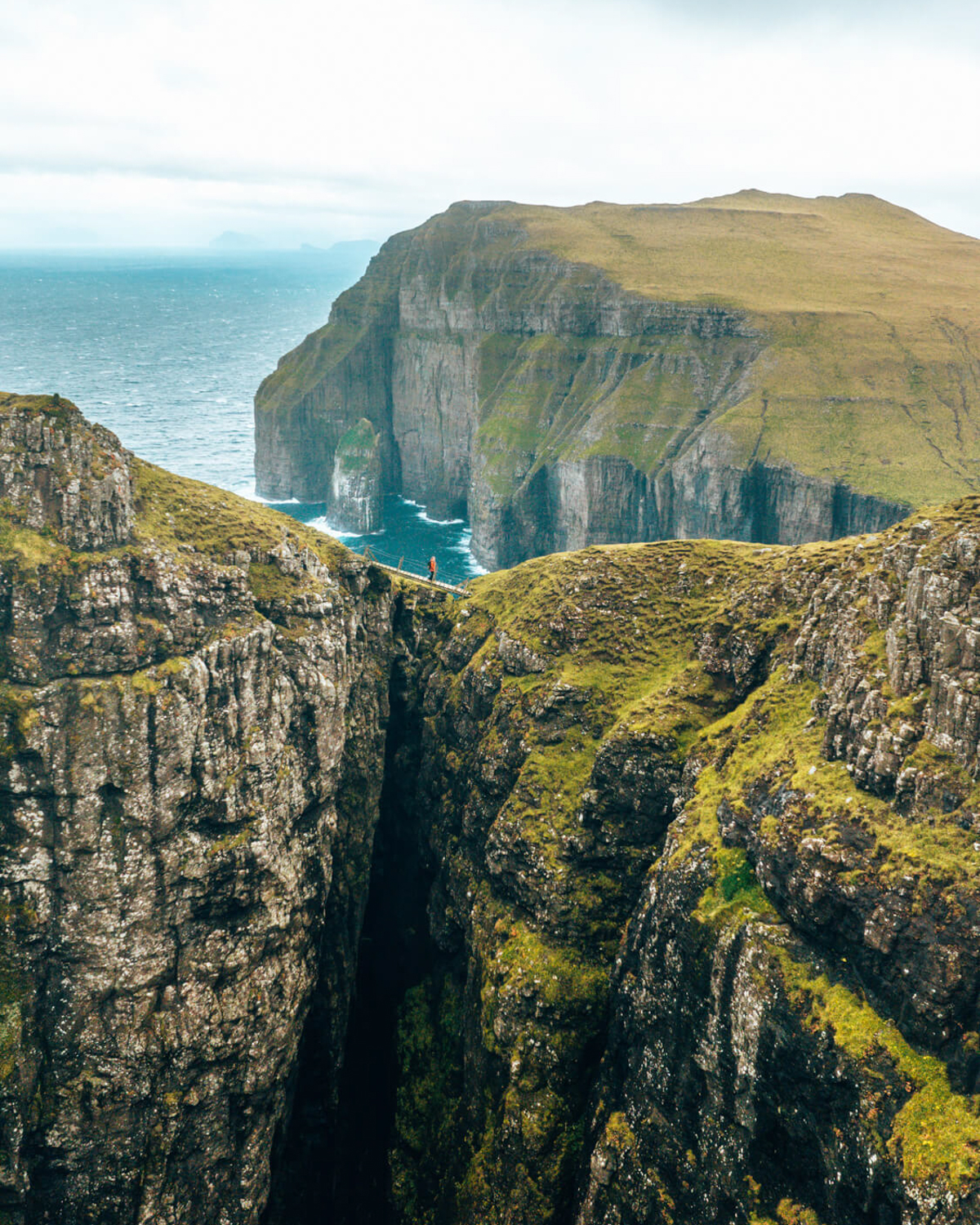
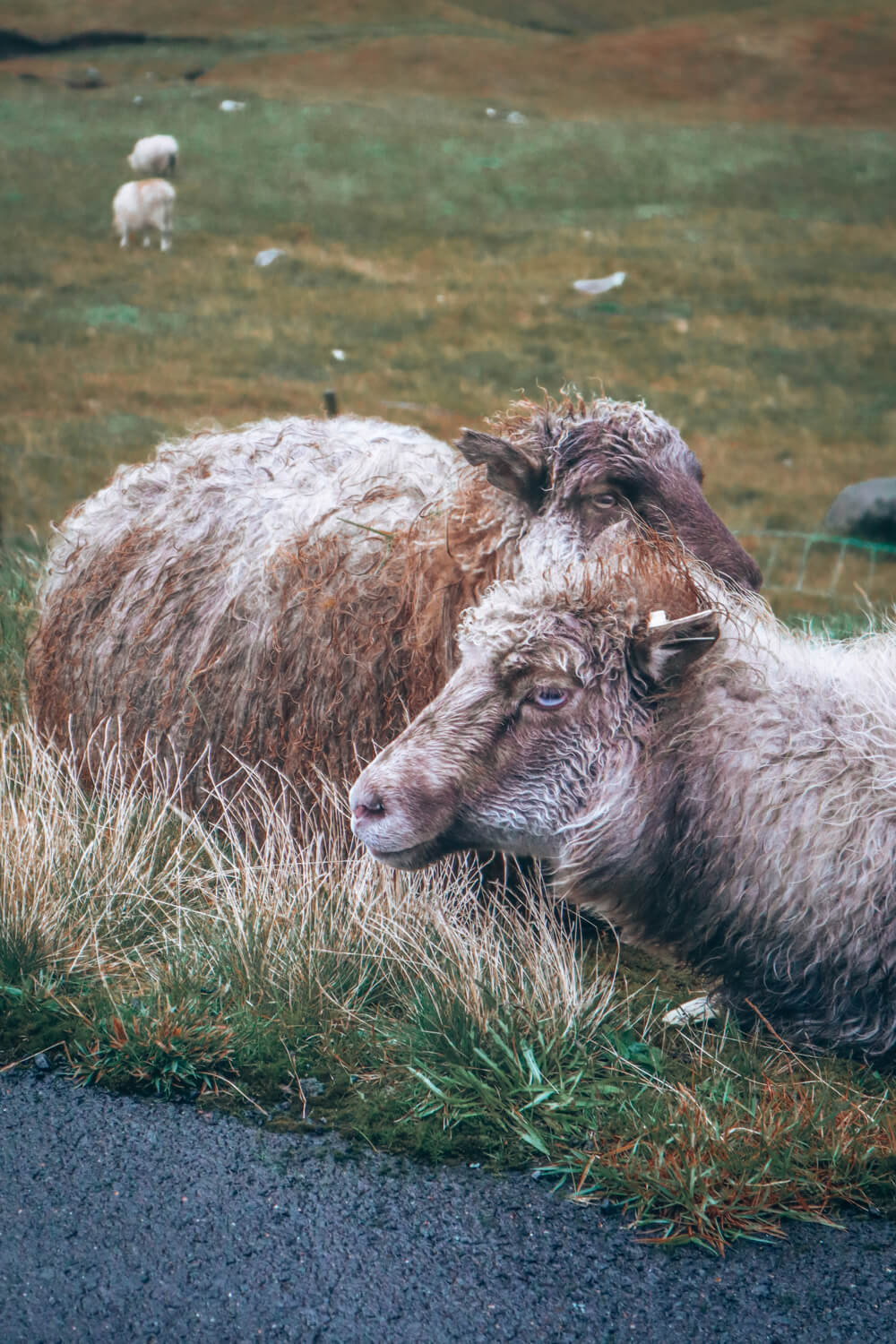
A paradise surrounded by imposing fjords, steep cliffs, lakes perched above sea level and views that stay with you long after you get home. Flying my drone here was a dream. If you are lucky, you will spot a puffin. And if not, there are always the 80,000 sheep roaming freely across the islands, completely unafraid and deeply committed to slowing everyone else down.
This blog post contains affiliate links, so I earn a small commission when you book through my website, at no extra cost to you! So thank you if you book through my website!
Faroe Islands travel guide: fast facts
You fly into Vágar Airport, the only international airport in the Faroe Islands, on the island of Vágar. The local language is Faroese, a descendant of Old Norse, but almost everyone speaks excellent English. Currency is the Danish krone. Card payments work almost everywhere, but mobile payments occasionally fail, so always carry a physical bank card or credit card. From Copenhagen, the flight to Vágar takes just over two hours.
Planning last minute? Here are my favourite hotels on the Faroe Islands
Havgrim Seaside Hotel 1948·Click here for rates & availability
visitHOMES Faroe Islands·Click here for rates & availability
Múlafossur Cottages by famous waterfall in Gásadalur·Click here for rates & availability
Why visit the Faroe Islands?
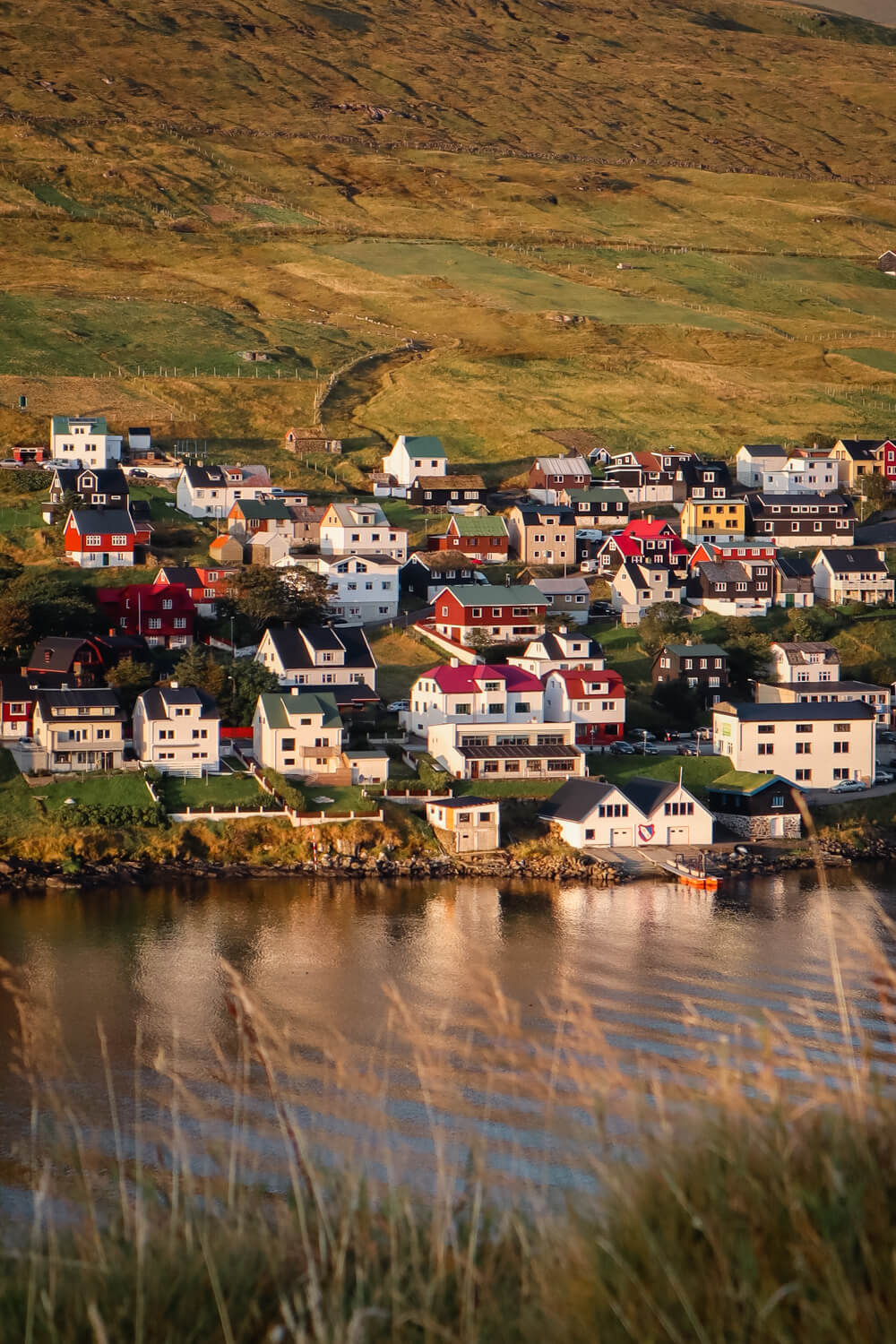
The Faroe Islands are not a destination you tick off a list. These are islands that do something to you. The nature is raw and overwhelming: waterfalls plunging straight into the ocean, lakes suspended above sea level, villages with green-roofed houses that have looked exactly the same for centuries. Mass tourism barely exists here. On the most popular hiking trails you sometimes pass only a handful of people. That feeling of genuine solitude, of being truly alone with nature, is almost guaranteed in the Faroe Islands.
The islands are also perfect for an active trip. Hiking, driving over narrow mountain roads, boat trips to remote islands and birdwatching are the major draws. Add to that a surprisingly good restaurant scene in the capital Tórshavn, and you have a destination that satisfies both adventure seekers and those who like their comfort. One warning: everyone who visits the Faroe Islands wants to come back.


Best time to visit the Faroe Islands
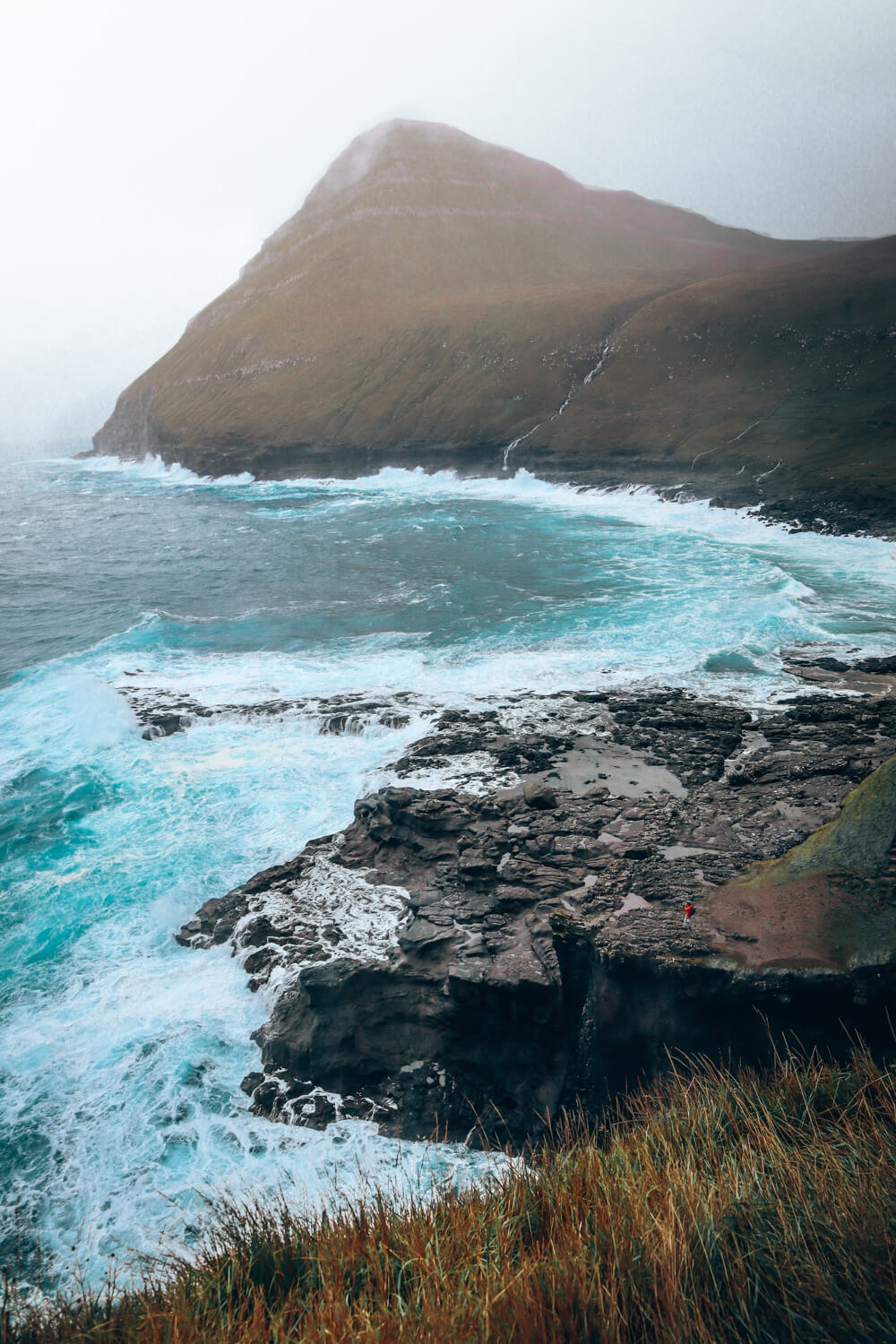
The weather in the Faroe Islands is famously unpredictable. It can rain and blow hard, and conditions can shift completely within minutes. That said, there is a clear best window for your Faroe Islands trip.
June to August is the most popular period. Temperatures sit between 12 and 18 degrees Celsius, the days are extraordinarily long (in June you get close to 24 hours of light) and most tours and ferry connections run at full schedule. Puffins nest on the islands from May through August, making this the best time to spot them.
May and September are excellent alternatives if you prefer fewer crowds. May is particularly beautiful: the first puffins arrive, the islands turn vivid green and the roads are quiet. September brings dramatic autumn light that photographers love.
A fan of dramatic coastlines? The Wild Atlantic Way in Ireland belongs on your list too.
Winter (November to March) is for true adventurers. Some ferry connections stop running, but those who visit in winter may be rewarded with the Northern Lights above the islands. Book accommodation well in advance, as options are limited.
My advice: aim for mid-June to mid-August for the best combination of weather, long days and puffins. Book your accommodation as early as possible; supply is limited and popular spots sell out months ahead.
Book in advance
- Spectacular and rare with very limited spots: Drangarnir boat tour
- Strictly limited visitor numbers per day, sells out weeks ahead: Mykines express boat
- Popular wildlife experience with limited group sizes: Puffin boat tour from Sørvágur
- Essential for exploring the islands, popular categories sell out fast: rental car via Discover Cars
- Very limited supply, popular accommodations fill up months ahead: hotels on the Faroe Islands
How to get to the Faroe Islands
There are no direct flights from most of Western Europe to the Faroe Islands. The most common route is via Copenhagen: fly with your preferred airline to Copenhagen and connect there onto an Atlantic Airways flight to Vágar. Total travel time including the stopover is around five to six hours. From Copenhagen, the flight to Vágar takes just over two hours.
An alternative route runs via Edinburgh, but it tends to be more expensive and less frequently available. Atlantic Airways operates several flights per week between Copenhagen and Vágar in summer, but seat capacity is limited. Book early, especially for high season travel.
At Vágar Airport you can pick up a rental car immediately on arrival, which is essentially non-negotiable for exploring the Faroe Islands. Public transport exists but is limited, and the most spectacular spots are only accessible by car. Book your rental car well in advance via Discover Cars for the best prices.
RENT A CAR ON THE FAROE ISLANDS
How many days do you need in the Faroe Islands?
Seven days is the ideal length for a Faroe Islands trip. In a week you can cover the main highlights on Streymoy and Vágar at a relaxed pace, take one or two ferry day trips and still have time for the best hikes. Five days is workable, but you will have to make choices.
With more than a week, the remote island of Mykines (puffin paradise!) becomes an easy addition, along with Kalsoy, also known as the James Bond island. For travellers who want to explore every corner, ten to fourteen days is not too much. Most visitors base themselves in Tórshavn on the largest island, Streymoy.
Best hotels in the Faroe Islands – Faroe Islands Travel Guide
– Click on the names to check rooms and rates –
Hotels in the Faroe Islands can be expensive, especially in high season. Book as early as possible; supply is limited and popular accommodations fill up months in advance. Below are my favourite options, from boutique hotel to a unique cottage beside a waterfall.
Havgrim Seaside Hotel 1948
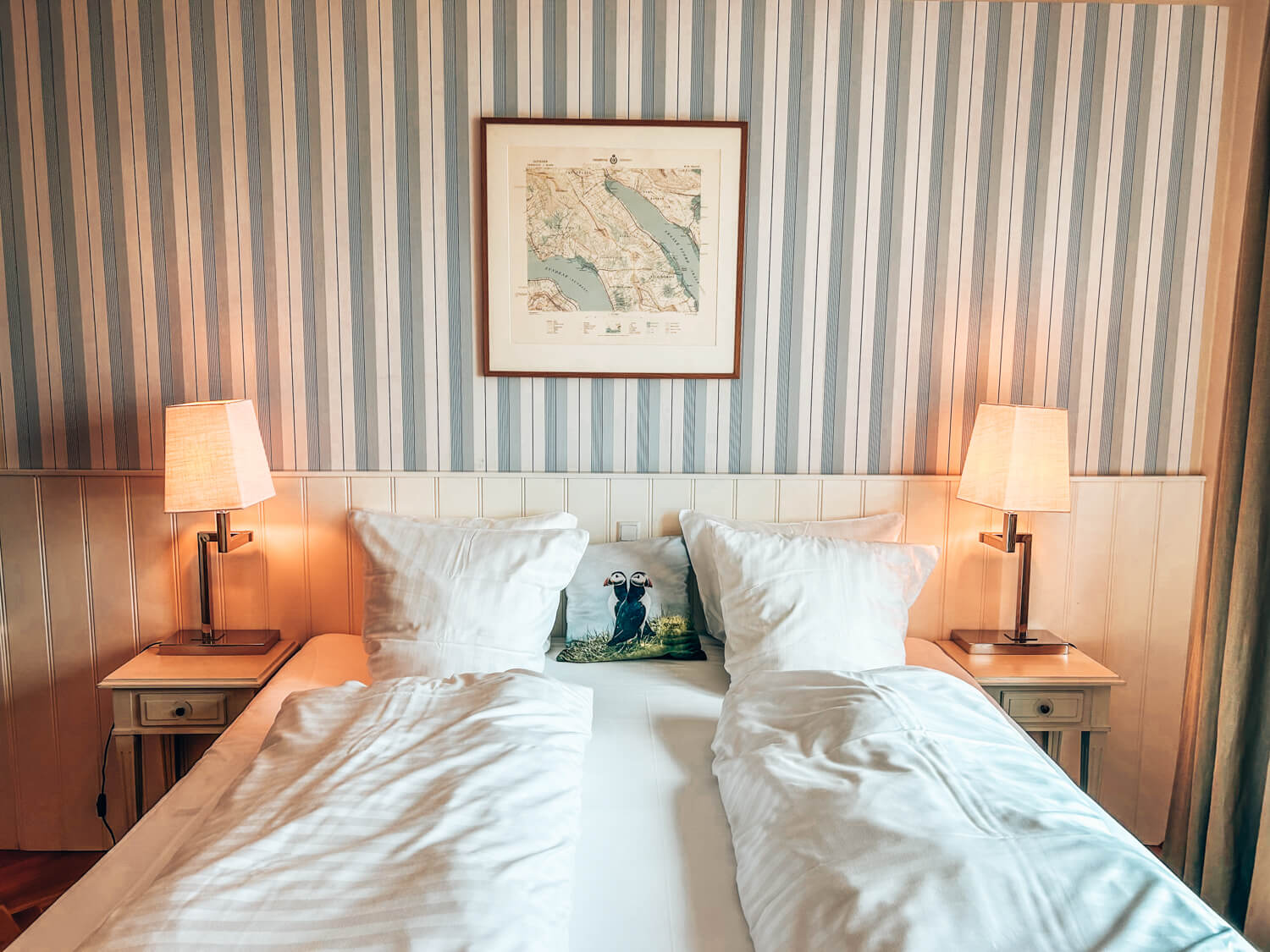
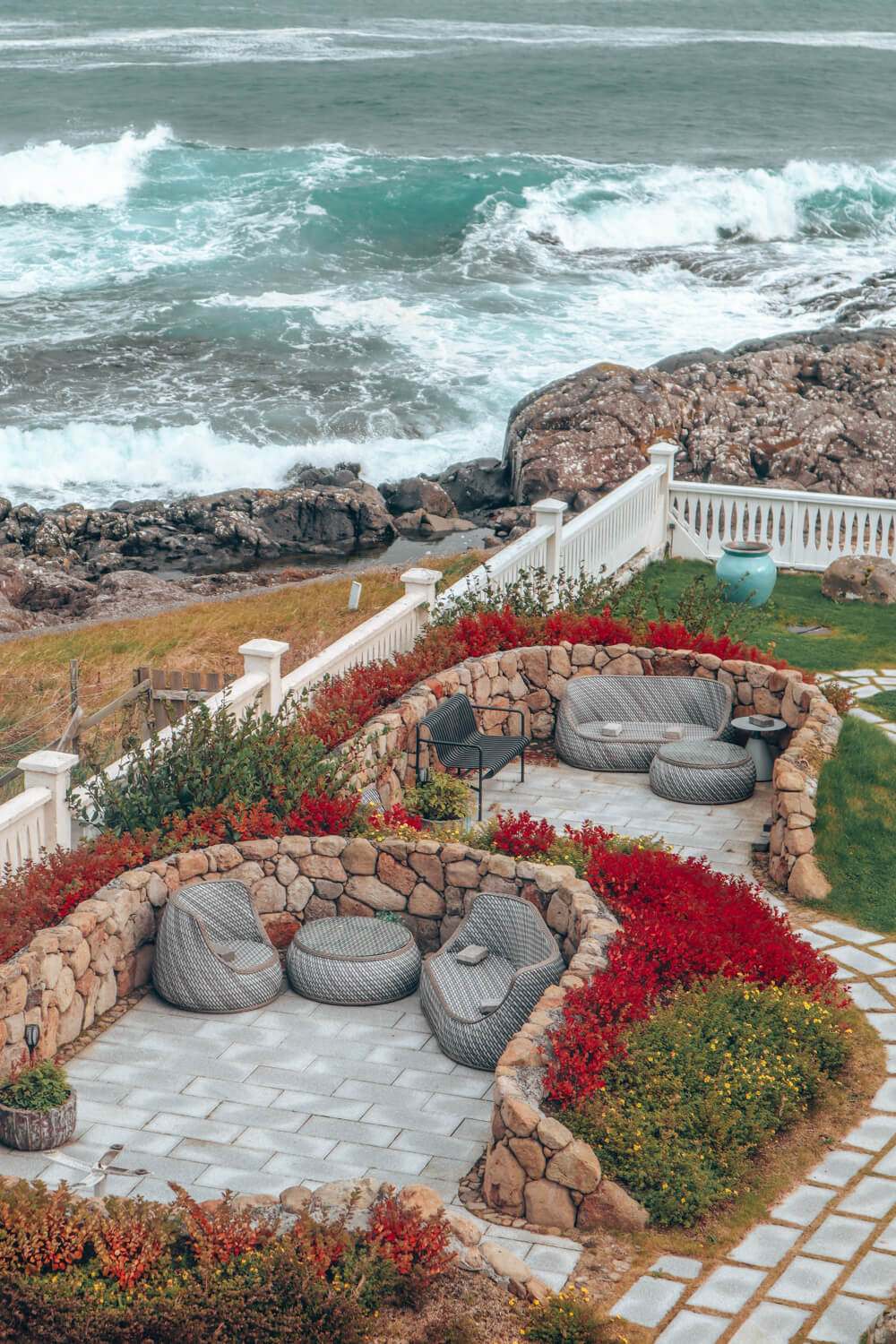
This small boutique hotel in Tórshavn is where we stayed, and it was a genuine home away from home. Perfectly located with stunning sea views, an extensive breakfast (including the best chocolate croissants I have ever eaten), and L’Occitane products in the bathroom. The bed is so comfortable you will not want to leave it. Check the Havgrim Seaside Hotel here.
Múlafossur Cottages beside the famous waterfall in Gásadalur
Picture opening your curtains in the morning to look out directly onto the most photographed waterfall in the Faroe Islands. That is exactly what you get here. These cottages beside the Múlafossur waterfall in the village of Gásadalur are completely unique. Booking early is essential. Check Múlafossur Cottages here.
Broncks Lonin: luxury apartments in central Tórshavn
Spacious luxury apartments in the heart of Tórshavn, ideal if you want more space and the option to self-cater. Check Broncks Lonin here.
Gásadalur Apartments with waterfall views
Also in the picture-perfect village of Gásadalur, with views of both the waterfall and the ocean. A dream for photographers and nature lovers. Check Gásadalur Apartments here.
Unique Faroe Islands Holiday Home
A fully equipped holiday home by the sea with great views, reliable wifi and a complete kitchen. Perfect for those who want to fully disconnect. Check this holiday home here.
Løðupakkhúsið: Historical Warehouse
Staying in a restored historic warehouse in Tórshavn, with real character and a central location. Check Løðupakkhúsið here.
Mølin Guesthouse
A cosy guesthouse for travellers who prefer a small-scale, personal stay. Check Mølin Guesthouse here.
THE BEST HOTELS ON THE FAROE ISLANDS
Best things to do in the Faroe Islands – Faroe Islands Travel Guide
A Faroe Islands trip stands or falls with your activities. Beyond hiking and driving spectacular mountain roads, there are outstanding organised tours that take you to places you simply cannot reach on your own. These are my top picks:
Drangarnir boat tour
This 1.5-hour exclusive boat tour takes you past the most photogenic sea stacks in the Faroe Islands. Spectacular, rare and not to be missed. Book the Drangarnir boat tour here.
Sørvágur: Puffin boat tour
From Sørvágur you sail out to the puffin nesting areas for an unforgettable wildlife experience on the water. Book the puffin boat tour here.
Puffin Island adventure: express boat to Mykines
The remote island of Mykines is the kingdom of the puffin. Access is only possible via an organised tour with a strictly limited number of visitors per day. Book the Mykines express boat here.
Private nature tour of the Faroe Islands
A personal guide who takes you to the most beautiful and remote spots at your own pace. Ideal for those who want to miss nothing. Book the private nature tour here.
Faroe Islands private tour of the top highlights
A private tour covering the absolute must-sees of the islands, perfect for those with limited time who still want to see everything. Book the private highlights tour here.
Tórshavn: guided walking tour
Discover the charming Faroese capital on a guided walk through the most beautiful corners of the city. Book the Tórshavn walking tour here.
ALL TOURS AND ACTIVITIES ON THE FAROE ISLANDS
Best hikes in the Faroe Islands – Faroe Islands Travel Guide
Hiking in the Faroe Islands is an experience like no other. Trails are well marked but can become seriously slippery after rain. I slid around like a small penguin on multiple occasions between here and the summit. Good hiking shoes with proper grip are not optional, they are mandatory. These are the walks I recommend most:
Traelanípan: the lake above the ocean (Vágar island)
This is the most spectacular hike in the Faroe Islands. The walk to the viewpoint takes around 45 minutes on a well-maintained path; only the final ten minutes can be slippery. At the top you have a breathtaking view over Lake Sørvágsvatn and the Bøsdalafossur waterfall. Along the way you pass sheep and countless waterfalls. You are literally walking inside a Bob Ross painting. There is an entrance fee of €24, which is worth every cent. We passed only a handful of other walkers on the way up and felt entirely alone in the world.
Distance: approximately 5 km return. Difficulty: moderate. Wear waterproof boots.

Klakkur: views over Klaksvík – Faroe Islands Travel Guide
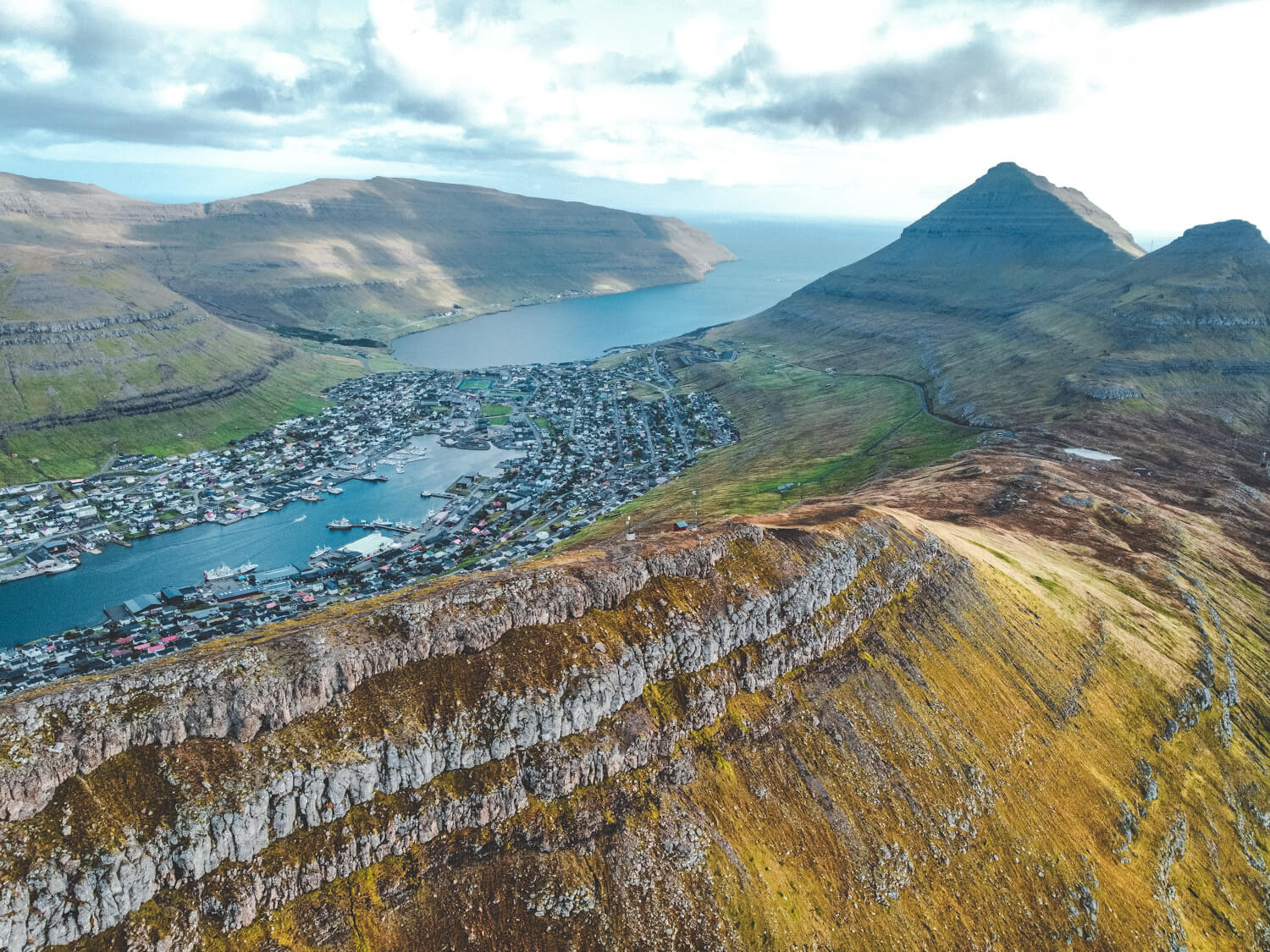
A hike of around 45 minutes, the first section on a well-laid path and the final 20 minutes potentially slippery after rain. Walk on the grass as much as possible to avoid sliding. At the top you are rewarded with an enchanting panorama. Drive as far up the road as you can to the official car park. Have lunch at Frida Kaffihus in Klaksvík on the way up or back.
Distance: approximately 3 km return. Difficulty: easy to moderate.
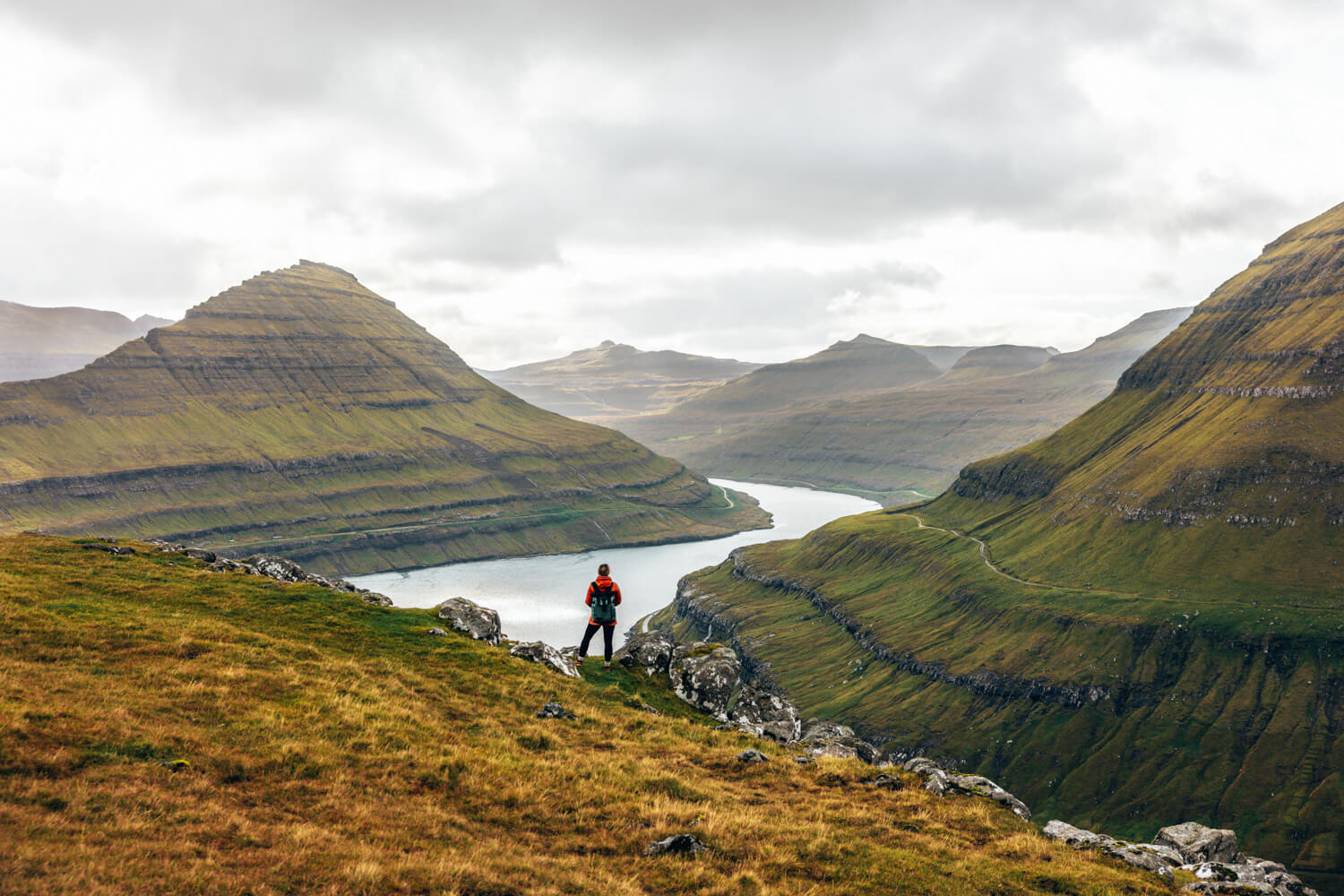
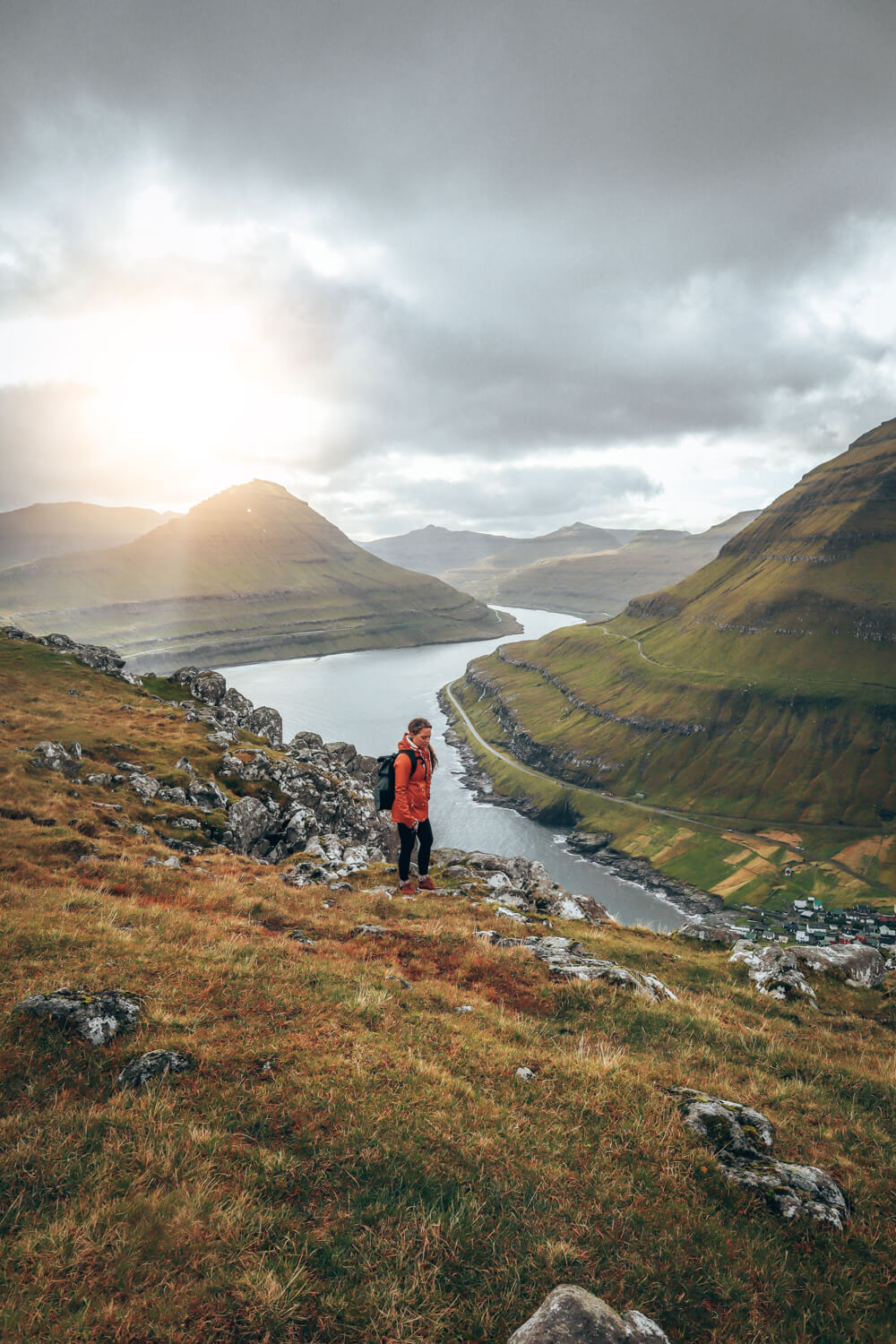
Hvíthamar Trailhead: views over Funningur
This 30-minute hike to the viewpoint can, again, be quite slippery. Follow the marker poles and before long you are looking out over the tiny village of Funningur and the dramatic mountains on the opposite side of the fjord. You can continue all the way to the top, but halfway up you already have the best view.
Distance: approximately 2 km return. Difficulty: easy.
ROOMS AND RATES HAVGRIM SEASIDE HOTEL
Gjógv: the picturesque village at the end of the road
Drive to the charming village of Gjógv and explore the beautiful walking routes around it. The coastal road to Gjógv may be the most beautiful drive I experienced in the Faroe Islands. So many waterfalls.
Tjørnuvik and the Fossá waterfall
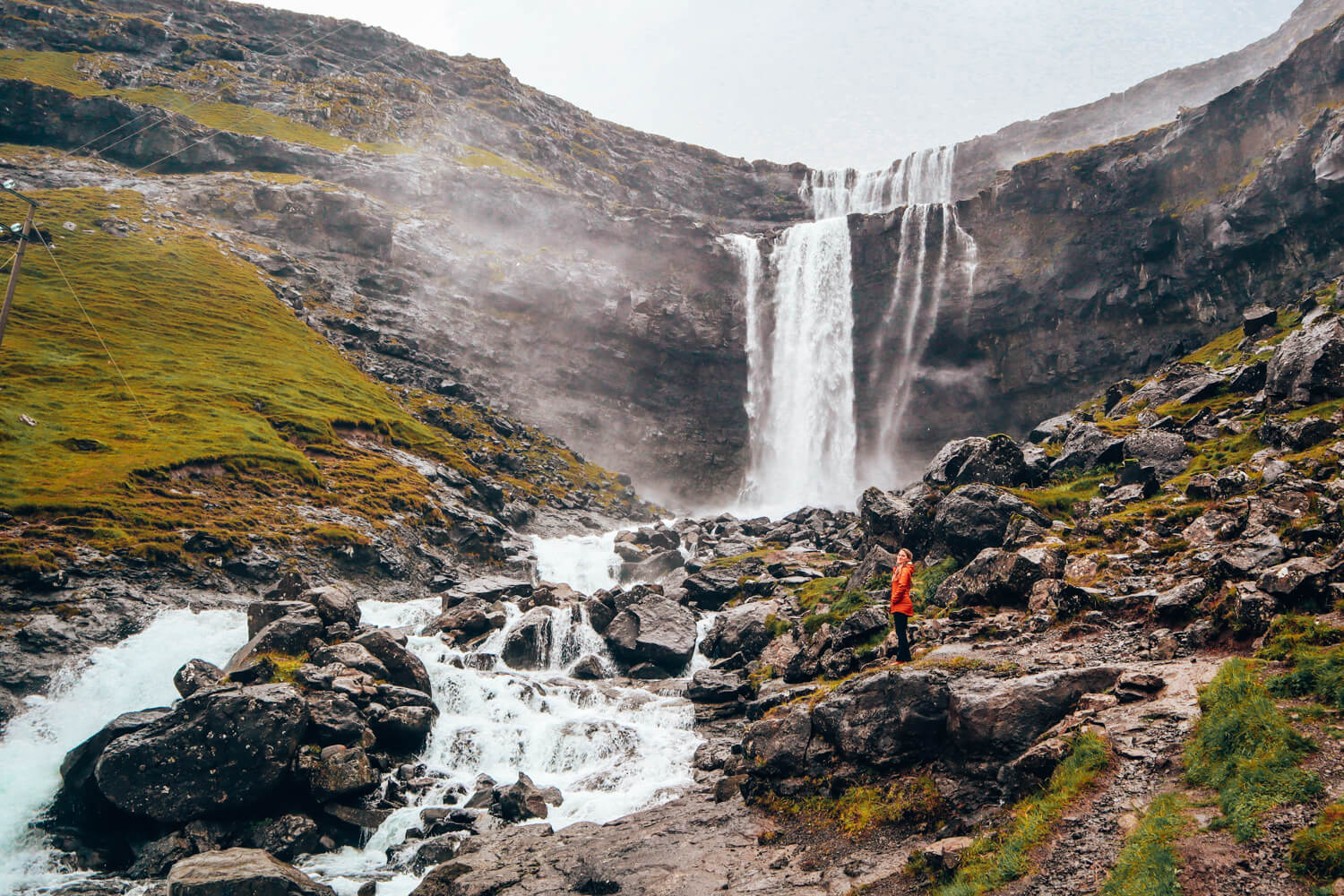
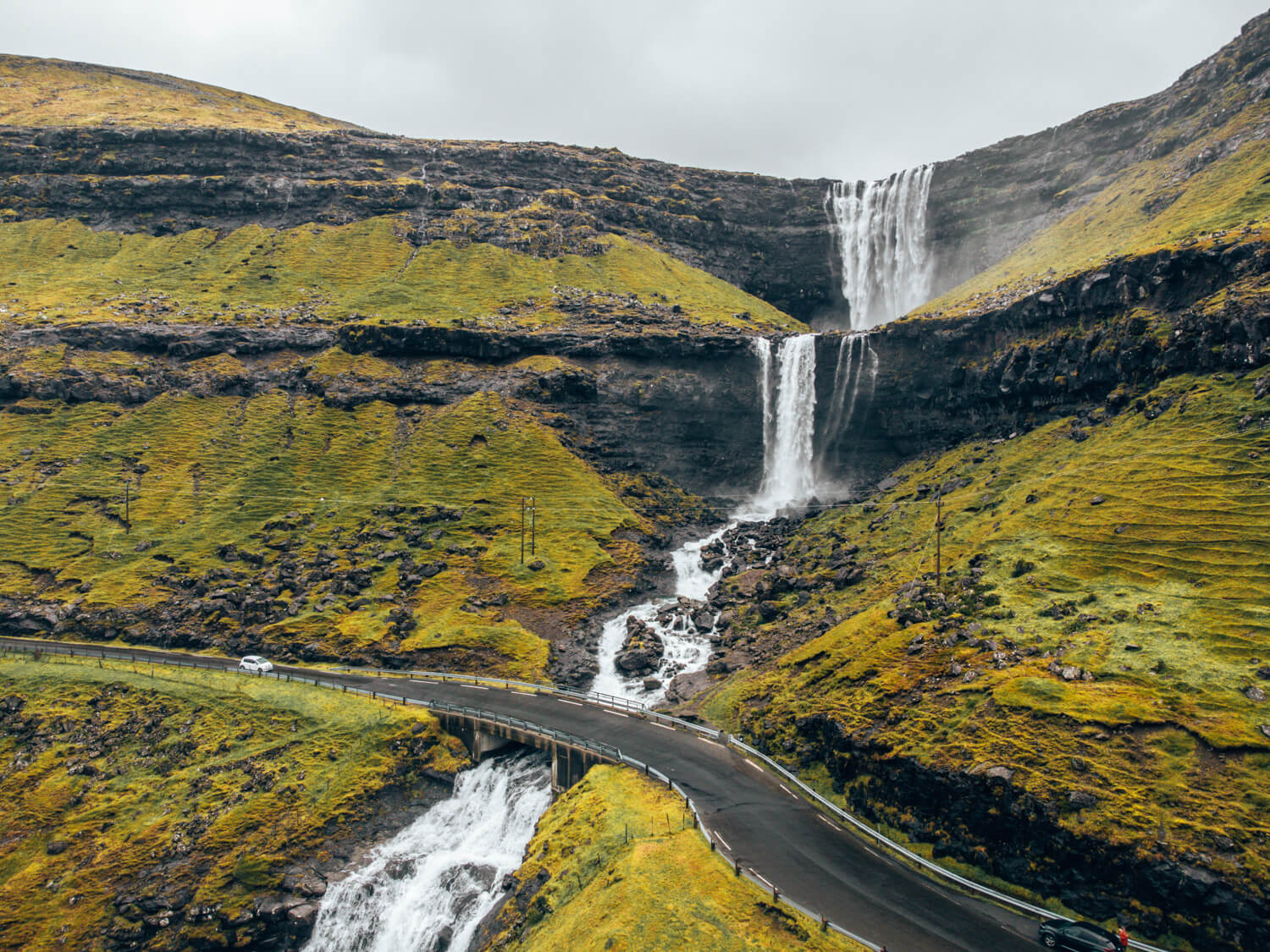
Drive to the northerly village of Tjørnuvik and stop en route to see the enormous Fossá waterfall. Remarkably, the road runs directly across the top of the waterfall.
Best restaurants in the Faroe Islands – Faroe Islands Travel Guide
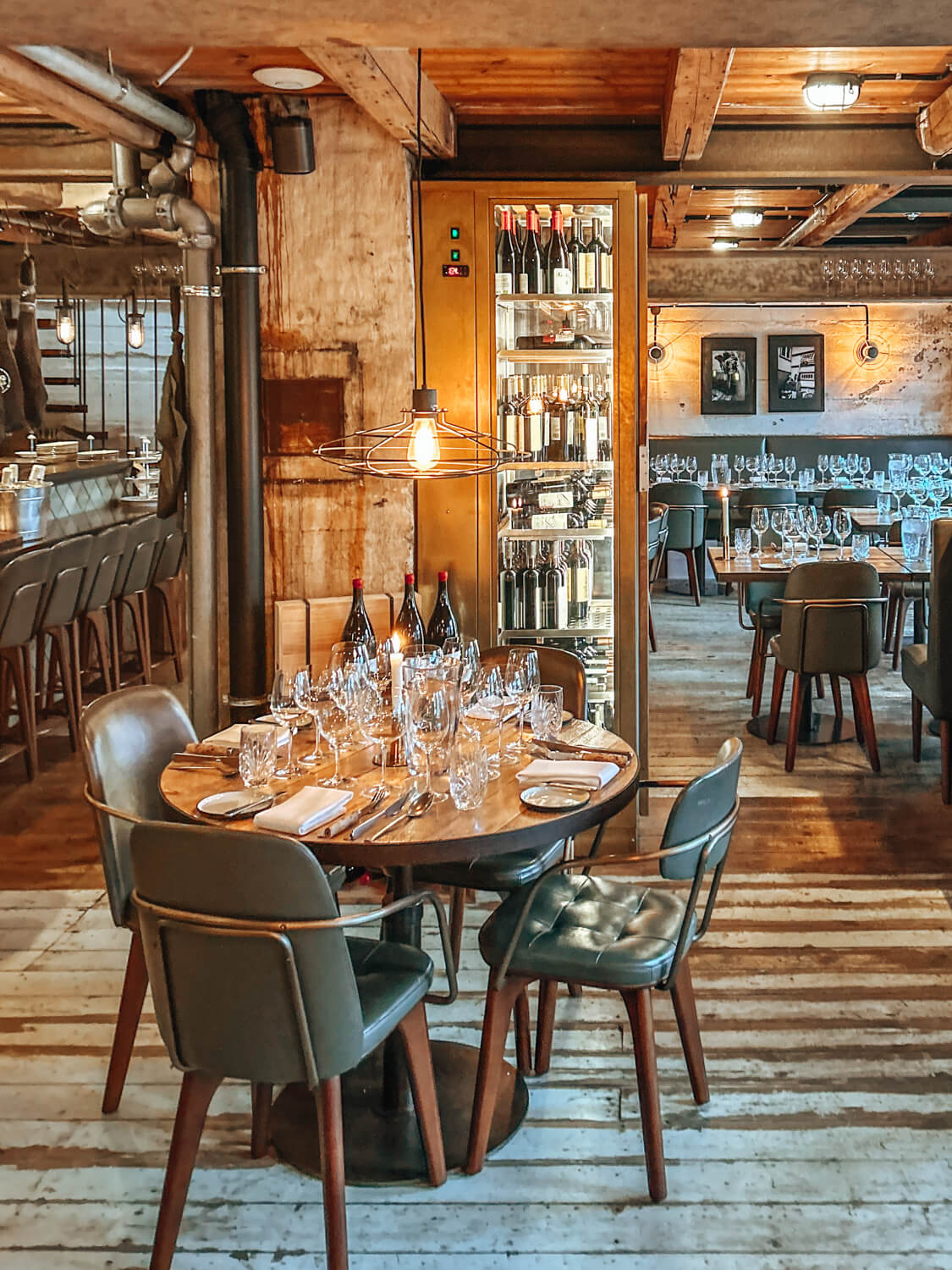
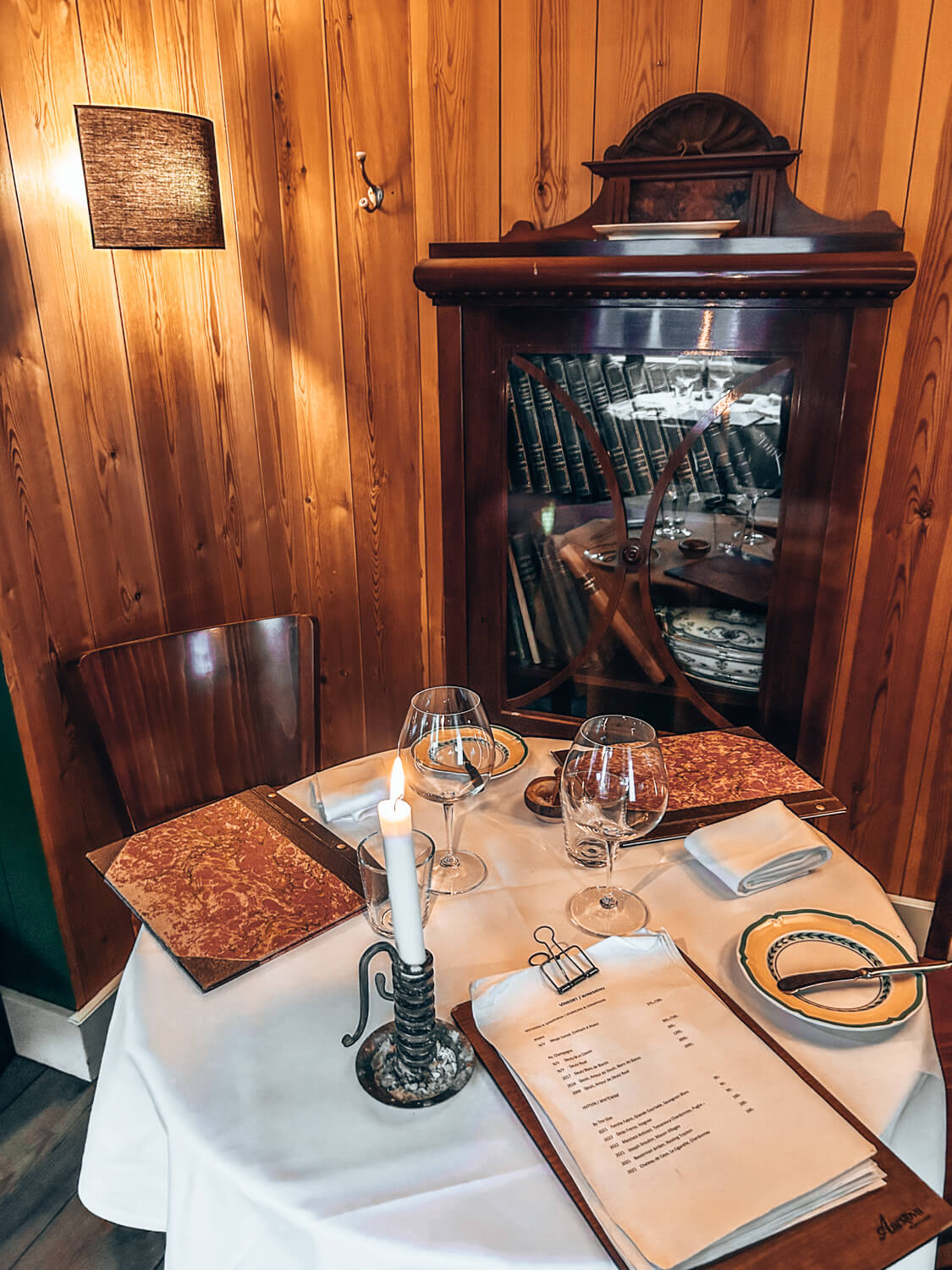
The restaurant scene in Tórshavn is surprisingly strong for a city of this size. After a full day of driving, hiking and battling the wind, sitting down to a proper dinner is a very good idea. These are my top recommendations:
Áarstova, The Tarv and Katrina Christiansen are all wonderfully cosy and welcoming. The Tarv is an affordable grill restaurant where candlelight greets you at the door. Order the langoustine and the cauliflower with truffle without hesitation. For a good lunch, head to Paname Café, which has a curious passageway leading into a bookshop and games room. Olivia is the spot for excellent bowls.
One practical tip: buy a few bottles of wine at Vágar Airport when you arrive. A bottle costs around €11 there; at a restaurant you will pay around €12 per glass. Regular supermarkets on the islands do not sell alcohol.
Follow me on Instagram for more travel tips and photos from these extraordinary islands.
Getting around: driving in the Faroe Islands
Renting a car in the Faroe Islands is essentially essential. Public transport exists but covers limited ground. The most beautiful spots are only accessible by car. Book your rental well in advance via Discover Cars, as supply is small and popular categories sell out fast.
Driving in the Faroe Islands requires some adjustment. Certain tunnels are narrow but have passing places for oncoming traffic. Uphill traffic has right of way over downhill traffic. Headlights must be on at all times, even during the day. Freight vehicles always have priority. And then there are those 80,000 sheep, roaming freely and appearing suddenly on the narrowest parts of the road.
RENT A CAR ON THE FAROE ISLANDS
Many islands are connected by long undersea tunnels with a toll charge. One tunnel even has a roundabout underwater, lit up in a way that resembles a festival entrance. For toll access, register your vehicle online at tunnil.fo for automatic payments, or include the toll package in your car hire. The latter is by far the easiest option.
For trips to remote islands such as Mykines or Kalsoy, you travel by ferry. Bear in mind that the sea can be very rough even for a large ferry. Bring seasickness tablets if you are prone.
The helicopter in the Faroe Islands is officially classified as public transport and connects some of the smaller islands that ferries cannot reach. A genuinely unusual experience if you get the chance.
Sustainable travel in the Faroe Islands – Faroe Islands Travel Guide
The Faroe Islands take sustainable tourism seriously. The islands have introduced a “Closed for Maintenance” initiative where popular nature sites are temporarily closed to visitors on certain days, with local volunteers working to restore and protect the landscape. Some sites require a paid entry to fund conservation directly.
Skip Saksun. As beautiful as the village is, local residents have been significantly impacted by the volume of tourists and can no longer live normally. There are equally spectacular, far less visited villages nearby that deserve your attention instead.
Stick to marked paths on all hikes. The vegetation is delicate and quickly damaged by foot traffic. Stay well back from cliff edges, which can be unstable and frequently wet.
ALL THE BEST DAY TRIPS AND ACTIVITIES
Practical Faroe Islands travel information
Internet and SIM card – Faroe Islands Travel Guide
Your European data plan does not work in the Faroe Islands. Buy an eSIM in advance via Saily and activate it just before your flight. I paid €35 for 30 GB, but 6 GB is more than enough for a week if you are mainly using Google Maps.
For a complete road trip through Skåne, Småland, and Öland in Sweden, check out my Southern Sweden road trip guide.

Currency – Faroe Islands Travel Guide
The currency is the Danish krone. Mobile payments occasionally fail, so always carry a physical bank card or credit card. Regular card payments work fine almost everywhere.
Visa requirements
The Faroe Islands sit outside the European Union but belong to the Kingdom of Denmark. EU citizens travel with a valid passport or national ID card, no visa required. Travellers from outside the EU should check their specific requirements in good time before travel.
Checking the weather
Check the forecast daily on yr.no, the most reliable weather service for the Faroe Islands. Stay flexible with your plans. A rainy day is often best spent in Tórshavn, and a clear day is best spent on the mountains.
What to pack for the Faroe Islands – Faroe Islands Travel Guide
The weather is unpredictable and the wind can be fierce. These are the essentials for your bag:
Clothing: a good windproof and padded rain jacket (non-negotiable), waterproof trousers, multiple thermal layers and a warm hat. Even in summer.
Gear: sturdy hiking shoes with excellent grip, a waterproof daypack, sunglasses (wind in your eyes is no fun) and a reliable power bank.
Practical: both a bank card and credit card, seasickness tablets if you are prone, and an eSIM activated before your flight. Be flexible with your plans and adapt to the weather each day.
ALL THE BEST DAY TRIPS AND ACTIVITIES
Faroe Islands travel guide: frequently asked questions
How much does a trip to the Faroe Islands cost?
The Faroe Islands are comparable to Norway in price. Hotels average €100 to €250 per night, dinner runs €40 to €80 per person. A full week including flights, accommodation and activities typically costs €1,500 to €2,500 per person.
Is a rental car necessary in the Faroe Islands?
Yes, for virtually all travellers. Public transport is limited and the most spectacular landscapes are only reachable by car. Book in advance via Discover Cars as supply is small.
RENT A CAR ON THE FAROE ISLANDS
What language is spoken in the Faroe Islands?
The official language is Faroese, a descendant of Old Norse. Almost everyone speaks excellent English, so communication is never a problem.
When is the best time to see puffins in the Faroe Islands?
Puffins nest on the islands from May through August. The best months for spotting them are June and July, when colonies are at their largest and most active.
Faroe Islands travel costs and budget tips
The Faroe Islands are comparable to Norway in terms of price level: expensive. Budget around €40 to €80 per person for dinner at a restaurant, and €100 to €250 per night for a hotel depending on the season. A week including flights, accommodation and activities typically comes to €1,500 to €2,500 per person.
To keep costs manageable: stock up at the Bonus supermarket, the best and most affordable chain on the islands, for picnic lunches and snacks.
One more tip for solo travellers: many guesthouses and smaller accommodations offer single rooms at reasonable rates, and self-catering cottages can be very cost-effective when you are travelling alone and want flexibility.
Some photos in this article were taken by Boyan Ortse.
Plan your trip to the Faroe Islands
- Search and book the best hotels via Booking.com
- All tours and activities in one place via GetYourGuide
- Compare and rent a car via Discover Cars
- Arrange your airport transfer via WelcomePickups
- Stay connected with an eSIM from Saily